Most people don’t actually believe in moral absolutes.
They believe in moral rules, with carefully curated exceptions they’re unwilling to name…
Today, we’re taking a look at the lies we tell ourselves about moral strength, and the foundation of ‘moral absolutes’ the lies rest upon.
Moral absolutes, and the pursuit of moral absolutes, aren’t absolute at all. So what is the purpose of pretending they are?
Killing is wrong
unless the state does it.
unless the court approve it.
unless the victim is distant enough.
unless the cause is framed correctly.
Lying is wrong
unless it protects “our” side.
unless it preserves influence.
unless it maintains control.
unless we call it strategy.
The pattern is obvious…
Almost embarrassingly so. And yet, we rarely name it.

Every day we watch pundits and politicians, celebrities and influencers, friends and coworkers “draw a line” and claim the moral high ground.
Only to quietly negotiate exceptions for themselves to the very rules they insist are universal.
Is it performance?
Is it self-preservation?
Is it hypocrisy?
Probably all three.
But the danger isn’t that these exceptions exist. It’s that we almost never examine the moments when we make them.
Each exception is treated as minor, necessary, or temporary. But over time, those small fractures accumulate. What looks like flexibility eventually becomes a collapse of consistency, of credibility, of character.
And we’re rarely honest about where this happens.
It happens in ourselves.
It happens in the people we admire.
It happens in the leaders we elect and the institutions we trust.
So we go searching for something cleaner. Steadier. Someone who might finally serve as the moral center we feel is missing.
When the next voice appears confident, certain, morally fluent…we cling to the hope that this one will be different. That this person will hold firm to what is objectively right and wrong.
But the question I wrestle with is simpler, but harder:
Why do we need that illusion so badly?
The problem isn’t that we want to believe in right or wrong.
It’s that we pretend our moral rules are universal, unchangeable. Then authority, proximity or convenience comes along and demands an exception.
And if history has taught us anything…it’s this:
Those exceptions are never forgotten.
They’re deferred.
And eventually, always cashed in.
Rejecting moral absolutism doesn’t mean abandoning morality. It means refusing to lie about how it operates, especially when power enters the room.
What Moral Honesty Actually Requires.
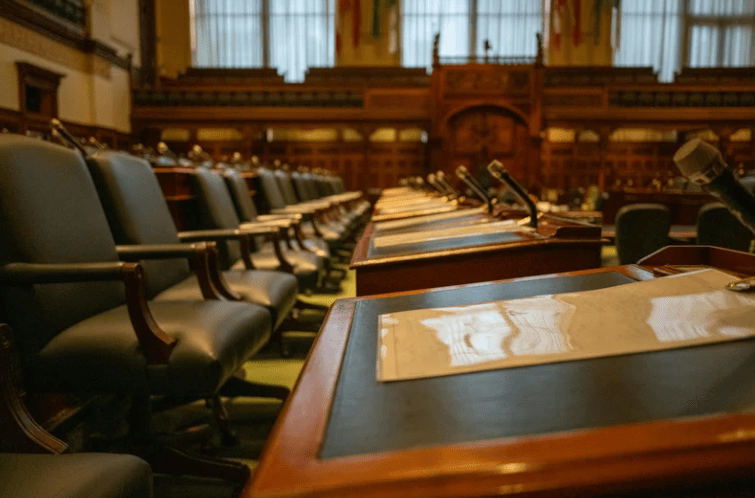
A morally honest posture begins with admitting something we’d rather avoid; our moral judgements are rarely formed in a vacuum. They are shaped by proximity (friends, family, neighbors), authority (the state, the church, or even parents), fear (fear of judgement, fear of failure, of loss), loyalty or consequence.
Pretending otherwise doesn’t make us virtuous, it makes us dishonest.
Honest, in this sense, isn’t moral indifference. It’s moral discipline.
It sounds like this:
Instead of declaring, “Killing is wrong”, we admit that we routinely justify killing with exceptions coming from or being informed by proximity, power or consequence…and then we wrestle internally with what that says about us.
Instead of insisting, “Lying is unacceptable”, we acknowledge how easily truth bends when reputations, social movements, influence or power are at stake…and we stop pretending those bends are rate. But otherwise common, if not a certainty.
Moral honesty doesn’t excuse these contradictions. It names them.
It refuses the comfort of clean punchlines and asks harder questions. Like:
Who gets to decide when an exception applies?
Why does authority soften rules we claim are universal?
Why are we so quick to call it necessity when it often looks like convenience?
This posture is less satisfying than absolutism. It offers fewer heroes. It provides no permanent moral shelter.
But it has one advantage absolutism does not; it resists self-deception.
In the moral middle, strength isn’t found in loudly declaring what is always right or wrong. It’s found in acknowledging how easily our convictions fracture, and choosing not to hide it behind performance.
Honesty doesn’t resolve moral tension.
It keeps us accountable within it.
And in a culture addicted to certainty, that may be the one moral act left.
The Moral Middle
The Moral Middle is not an escape from morality or a rejection of conviction. It’s a refusal to outsource conscience to catch-phrases, absolute authority, or certainty that cannot survive scrutiny.
It insists that moral clarity without honesty is performance, and that rules proclaimed as universal but practiced selectively erode trust, both in institutions and in ourselves.
Living in the moral middle means accepting that judgement in unavoidable and certainty is not guaranteed.
It asks more of us as individuals, not less.
To examine our own exceptions.
To name the pressures shaping our convictions.
And to resist the comfort of absolutes when they function primarily as shelter for the self, for our egos.
SO…here’s the challenge I’ll leave you with:
Where in your own moral life are you holding onto an absolute? Not because it’s true in every case, but because admitting its exceptions would force you to reckon more honestly with power, loyalty, or consequence?
 The Moral Middle
Leave a comment